The idea of equity in education holds that all students should have access to the resources they require to thrive academically irrespective of their circumstances background or financial situation. Equity acknowledges that different students face different challenges and as a result require varying levels of support in contrast to equality which gives all students access to the same resources. Educational equity aims to remove obstacles that keep students from realizing their full potential and to guarantee that success is not based on a student’s ability race or socioeconomic background.
The Importance of Equity in Student Achievement:
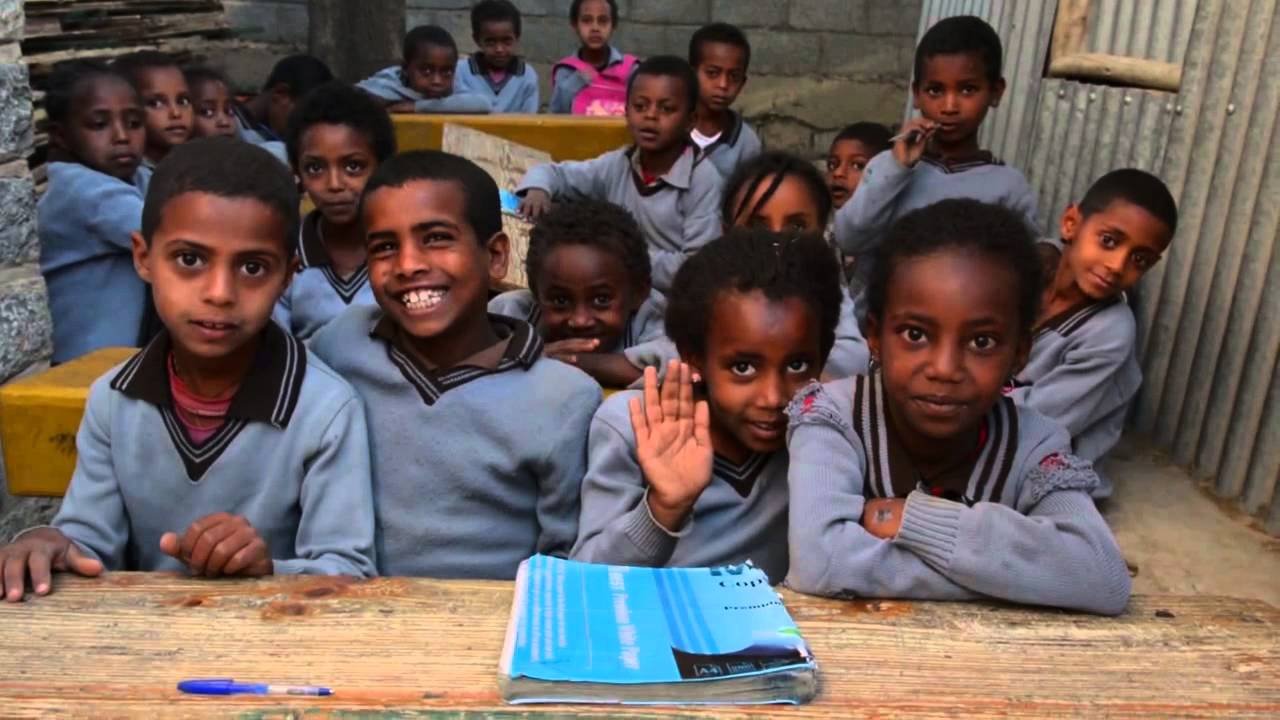
A system of education that is truly equitable recognizes that not every student starts their academic career on the same level. While some students may come from wealthy families others might experience housing instability food insecurity or a lack of access to high-quality educational resources. The achievement gap that exists between students from privileged and underprivileged backgrounds keeps growing if these discrepancies are not addressed.
Schools that place a high priority on equity foster an atmosphere in which every student has an equal chance to succeed. This entails making available skilled educators cutting-edge educational resources targeted support services and a curriculum that takes into account a range of viewpoints. Research indicates that student’s academic performance and general well-being improve when they feel valued supported and represented.
Addressing Socioeconomic Barriers:
The effect of socioeconomic status on student achievement is among the biggest obstacles to educational equity. Essential resources like textbooks tutoring and a quiet study space are frequently unavailable to students from low-income families. Stress from unstable finances may also be experienced by them which can impair their focus and academic performance.
To close this gap legislators and educational institutions must act proactively. Equal opportunities can be achieved through free or reduced meal programs after-school tutoring and financial aid for school supplies. Additionally in a world where a large portion of education has shifted online programs like digital equity initiatives which give students laptops and free or inexpensive internet access are crucial.
The Role of Inclusive Teaching Practices:
Ensuring that curricula and teaching strategies represent the varied experiences of students is another aspect of educational equity. The one-size-fits-all model that traditional teaching methods frequently adhere to ignores each student’s particular learning preferences and difficulties. These variations are acknowledged by inclusive teaching methods which modify lessons to fit the needs of each student
One successful strategy for incorporating student’s experiences languages and backgrounds into the classroom is culturally responsive teaching. Students are more engaged in their education and feel a greater sense of belonging when they see themselves represented in it. A crucial tactic for advancing equity is differentiated instruction which modifies lessons to suit different learning styles. Schools can guarantee that no student is left behind by letting them learn at their own speed and offering different ways to assess them.
Supporting Students with Disabilities:
It can be difficult for students with disabilities to get a good education. Even though many schools have special education programs students with different learning needs still lack adequate resources and support. Maintaining equity for students with disabilities necessitates a dedication to creating an inclusive environment in addition to adherence to legal requirements like the Individuals with Disabilities Education Act (IDEA).
Individualized learning plans assistive technology and qualified special education teachers are just a few of the resources that schools must offer. Ramps elevators and specialized learning materials are examples of school infrastructure that must be accessible in order for students with disabilities to fully engage in their education. An inclusive school culture that celebrates individuality and fosters empathy among all pupils is also essential to preventing the marginalization of students with disabilities.
The Role of Teachers and Administrators:
Promoting equity in education is primarily the responsibility of educators. Biases that might exist in the classroom must be acknowledged and addressed by educators and administrators. Expectations methods of discipline and the opportunities available to students can all be impacted by implicit biases. Teachers can establish equitable and encouraging learning environments with the support of professional development programs that emphasize equity cultural competency and inclusive teaching.
Teachers can also support equality-promoting policies like fair discipline procedures that don’t disproportionately harm low-income or students of color. Through encouraging candid dialogue with parents and students teachers can better understand the difficulties that students encounter and seek to find solutions that will help them succeed.
The Impact of Policy and Funding on Equity:
The degree of educational equity is largely determined by funding choices and government policies. Lack of funding frequently causes differences in teacher quality class sizes and access to educational resources between schools in low-income and wealthy neighborhoods. Policymakers must distribute funds according to student needs rather than local property taxes to address these systemic injustices.
Policies that have a substantial impact on student outcomes include universal pre-kindergarten programs equitable school funding formulas and greater investment in public education. A more inclusive and representative learning environment can also be achieved through programs designed to attract and retain diverse teachers. To guarantee that every student regardless of background receives a top-notch education policymakers must cooperate with educators parents and communities.
Conclusion:
Equity in education is not just an ideal; it is a necessity for creating a just and prosperous society. Every student deserves access to the resources, support, and opportunities needed to succeed, regardless of their background or circumstances. Addressing socioeconomic barriers, implementing inclusive teaching practices, supporting students with disabilities, and advocating for equitable policies are essential steps in ensuring that education serves as a pathway to success for all.
Creating an equitable education system requires a collective effort from educators, policymakers, and communities. By prioritizing equity, we can build a future where every student has the opportunity to reach their full potential and contribute meaningfully to society. Education should be the great equalizer, not a system that perpetuates existing inequalities. It is only by ensuring fairness and inclusivity in our schools that we can truly unlock the potential of every learner.