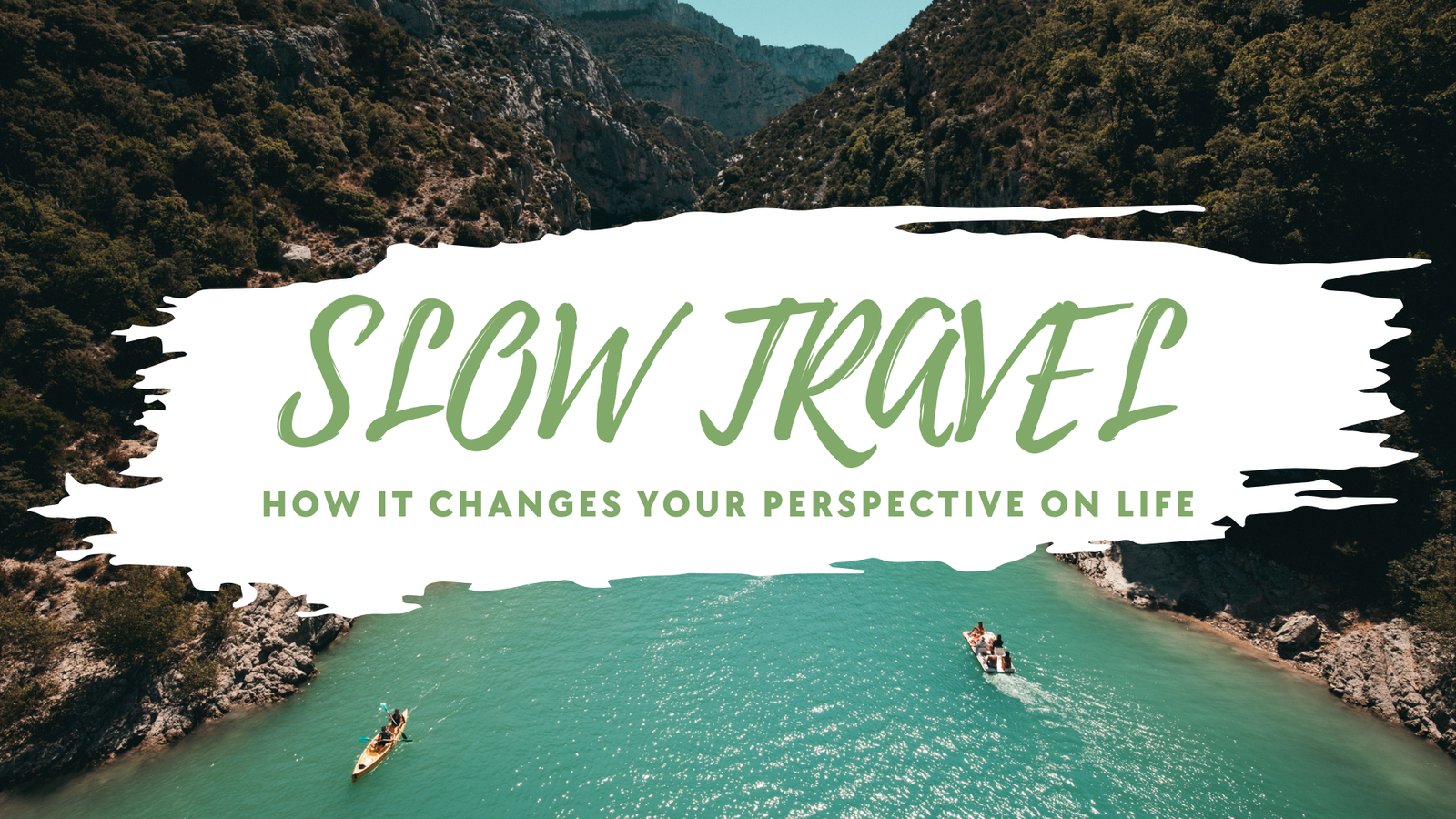
In our fast-paced world, the concept of slow travel has become a refreshing alternative for those seeking a deeper, more meaningful connection with their destinations. Slow travel isn’t just about moving at a leisurely pace, it’s about immersing oneself in the local culture, meeting new people, and truly experiencing the essence of a place. This article explores the transformative power of slow travel and how it can change your perspective on life.
1. What is Slow Travel?
Slow travel is a mindset and approach to exploring new destinations that emphasizes immersion, connection, and sustainability. Unlike traditional tourism, which often involves ticking off popular attractions from a checklist, slow travel encourages travelers to take their time, stay longer in one place, and engage with the local community.
For many, slow travel is about savoring the journey rather than rushing to the destination. It’s about finding joy in the little moments, whether it’s sipping coffee at a local café, exploring hidden streets, or having meaningful conversations with locals.
2. The Benefits of Slow Travel:
- Deep Connections: One of the most significant benefits of slow travel is the opportunity to form deep connections with the people and places you visit. Staying in one location for an extended period allows you to build relationships with locals, understand their way of life, and gain insights that are often missed during brief visits.
- Cultural Immersion: Slow travel offers a richer cultural experience. Instead of simply observing from a distance, travelers can participate in local traditions, festivals, and daily routines. This immersive approach fosters a greater appreciation for the destination’s unique culture and history.
- Environmental Sustainability: Slow travel promotes sustainable practices by reducing the carbon footprint associated with frequent travel. Choosing eco-friendly accommodations, supporting local businesses, and using public transportation are ways to minimize environmental impact while traveling.
3. Personal Growth Through Slow Travel:
- Time for Reflection: Slow travel provides ample time for self-reflection and introspection. Being in a new environment away from the usual hustle and bustle allows you to step back, gain perspective, and think about your life and goals.
- Creative Inspiration: For artists, writers, musicians, and other creatives, slow travel can be a wellspring of inspiration. Being in a different place opens up new avenues for creative expression, whether it’s through photography, painting, writing, or music.
Example: A musician might find inspiration in the sounds of a bustling market, while a writer could draw from the stories shared by local residents. The change of scenery and the slower pace can stimulate creativity in ways that a fast-paced lifestyle often hinders.
4. The Practicalities of Slow Travel:
- Time Management: One of the essential elements of slow travel is time. It requires a willingness to invest time in staying longer at a destination, which might not be feasible for everyone. However, for those who work remotely or have a location-independent business, slow travel can be a viable option.
- Choosing Destinations: Go for destinations that offer a wealth of experiences beyond the typical tourist attractions. Look for places with a vibrant local culture, beautiful natural surroundings, and opportunities for community engagement.
- Accommodation: Consider staying in local guesthouses, Airbnb rentals, or small boutique hotels that provide a more authentic experience. These accommodations often offer better opportunities to interact with locals and learn about the area’s traditions and customs.
5. Real-Life Example: Slow Travel in Goa:
A Personal Journey: In December 2023, a friend invited me to join him on a motorcycle trip to Liverpool for one of England’s largest motorcycle festivals, IBW 2023. While I’m not a motorcycle enthusiast, the idea of slow travel appealed to me, so I agreed to join him on this adventure.
We chose the most scenic route from Northumberland Coast Path to Liverpool, riding along the coastline and enjoying hundreds of kilometers of beautiful roads next to the beach. Upon reaching Liverpool, we stayed in an Airbnb in South Liverpool, taking our time to explore the area, meet locals, and immerse ourselves in the vibrant culture.
During our stay, we met interesting people, including a former software engineer who now runs a supermarket and our Airbnb host, a lady from Thailand. These encounters enriched our experience and gave us a deeper understanding of the local way of life.
6. The Impact of Slow Travel on Perspective:
- New Insights: Slow travel allows you to see the world from a different perspective. It encourages you to watch yourself from a distance, put things into perspective, and think about your future plans.
- Appreciation for the Present: By taking your time and not rushing through your journey, you develop a greater appreciation for the present moment. You learn to find joy in simple pleasures and understand that travel is not just about the destination but the journey itself.
- Personal Growth: Slow travel can be transformative, fostering personal growth and a sense of fulfillment. It challenges you to step out of your comfort zone, try new things, and build meaningful connections with people from diverse backgrounds.
Conclusion:
Slow travel is more than just a way to explore new places, it’s a transformative approach that can change your perspective on life. By taking the time to immerse yourself in the local culture, build meaningful connections, and appreciate the journey, you can experience travel in a more fulfilling and enriching way. Whether you’re a seasoned traveler or new to the concept, slow travel offers a unique opportunity to see the world through a different lens and discover the true essence of each destination.
So, the next time you plan a vacation, consider setting aside extra time and embracing the slow travel mindset. Clear out those bucket lists, live in the moment, and see how it feels. You might just find that slow travel brings a new sense of joy, fulfillment, and perspective to your life.
FAQs:
1. What is slow travel?
Slow travel is a mindset and approach to exploring new destinations that emphasizes immersion, connection, and sustainability.
2. How does slow travel benefit the environment?
Slow travel promotes sustainable practices by reducing the carbon footprint associated with frequent travel and supporting local businesses.
3. Can anyone practice slow travel?
While slow travel requires a willingness to invest time, it can be a viable option for those who work remotely or have a location-independent business.
4. What are some practical tips for slow travel?
Choose destinations with a vibrant local culture, opt for local accommodations, and engage with the community to have a more immersive experience.
5. How does slow travel impact personal growth?
Slow travel fosters self-reflection, creative inspiration, and personal growth by allowing you to step back, gain perspective, and build meaningful connections.
6. What are the key elements of slow travel?
The key elements of slow travel include taking your time, forming deep connections, immersing in local culture, and promoting sustainability.