Embarking on a creative career can be one of the most rewarding and fulfilling journeys. However, choosing this path requires passion, dedication, and a clear understanding of what it needs. This article dives deep into the world of creative professions, helping you assess if it’s the right fit for you, and how to thrive in this dynamic space.
What is a Creative Career?
A creative career encompasses various professions wherein individuals utilize their unique talents, skills, and imagination to produce innovative and original work. This could include careers in the fields of art, design, writing, music, fashion, advertising, film production, and many others. Those pursuing a creative career often possess a strong passion for their chosen craft and are driven by their desire to express themselves creatively.
Success in a creative career typically requires individuals to think outside the box, constantly challenge traditional norms, and push boundaries to create impactful and meaningful work. While these careers can be advantageous both personally and professionally, they also require dedication, persistence, perseverance, and continuous learning to thrive in an ever-evolving landscape of creativity and innovation.
Ultimately, a creative career offers individuals the opportunity to turn their artistic vision into reality while making a significant impact on society through their contributions.
Types of Creative Careers:
There is a wide range of creative careers available for individuals to pursue, each with its own unique set of skills and disciplines. Some popular types of creative careers include graphic design, photography, architecture, fashion design, and interior design.
Graphic designers use their artistic abilities to create visual concepts using computer software to communicate ideas.
Photographers capture moments in time through their camera lenses and craft stunning images that evoke emotion.
Architects design and plan buildings and structures that are both functional and aesthetically pleasing.
Fashion designers create clothing and accessories that express individual style and personality,
While interior designers work to create the perfect ambiance within indoor spaces.
These creative careers require not only technical skills but also strong imagination, problem-solving abilities, and attention to detail. Pursuing a career in the creative industry can be challenging but ultimately rewarding for those who are passionate about bringing their artistic visions to life.
Key Characteristics of Creative Professionals:
Pursuing a creative career path requires a distinct set of personality traits, passions, and motivations that set creative professionals apart. Those who thrive in creative fields are often highly imaginative, able to generate original ideas, and envision novel possibilities that others may overlook. They possess an insatiable curiosity, constantly seeking out new sources of inspiration and knowledge to fuel their creative endeavors.
Resilience and perseverance are essential, as the creative process often involves facing rejection, setbacks, and the need to iterate and refine one’s work. Creative individuals are typically driven more by intrinsic motivation, a deep love for and fulfillment from the creative process itself, rather than external rewards or validation. They are comfortable with ambiguity and risk-taking, willing to experiment, and step outside of their comfort zone in pursuit of innovation and growth.
At the same time, successful creative professionals temper their imagination with discipline, honing their craft through consistent practice and developing the technical skills needed to effectively execute their ideas. If these characteristics resonate with you and align with your innate strengths and interests, a creative career path may be an immensely rewarding and fulfilling choice.

Advantages of Choosing a Creative Career:
Choosing a creative career path offers numerous advantages for those with artistic talents and a passion for imaginative pursuits. Creative fields such as graphic design, writing, music, and film provide opportunities for individuals to express their unique ideas and perspectives while deriving deep personal fulfillment from their work.
In a creative career, one has the freedom to think outside the box, push boundaries, and bring innovative concepts to life in ways that more conventional vocations often do not allow. Moreover, the diversity of creative disciplines means there are myriad potential avenues to explore and specialize in based on one’s particular interests and aptitudes.
Commercially, the value of creativity is increasingly recognized across industries, with businesses and organizations ever seeking fresh ideas and novel approaches to capture audience attention, communicate effectively, and stand out in a crowded marketplace. This growing demand for creative skill sets, coupled with the rise of the gig economy and remote work opportunities, provides creative professionals with ample room for career mobility, self-directed employment, and location independence.
Ultimately, for those with the talent, drive, and vision, a creative career can be a pathway to both professional success and personal satisfaction through a life enriched by artistic expression and imaginative achievement.
Challenges of a Creative Career:
1. Unpredictable Income: Freelance work or fluctuating demand can make financial stability a challenge.
2. Creative Blocks: It is mentally exhausting to keep the ideas flowing at all times.
3. Competition: Creative jobs are usually highly competitive, and you have to be outstanding.
4. Client Expectations: Balancing artistic vision with client demands is tricky.
5. Long Hours: Deadlines and project commitments sometimes require extended hours.
Though daunting challenges may be at one’s door, the rewards often outweigh the difficulties for most who are passionate about their craft.
Skills Required for a Creative Career:
The development of the right skill set is very crucial for success in any creative field. Essential skills include:
- Technical Proficiency: Proficient in the use of tools, including but not limited to Adobe Creative Suite, cameras, and code.
- Communication: Clearly articulate and put across your thoughts, and ideas to clients, teams, or audiences.
- Time Management: Ability to work within deadlines sans compromising on quality.
- Critical Thinking: Problem-solving through innovative approaches.
- Collaboration: Willingness to effectively work on projects with other team members or independently.
Education and Training for Creative Careers:
While formal education is not required to enter these careers, many creative professionals find that it lays a good foundation. Some options include:
- Degree Programs: Fine Arts, Graphic Design, Film, or Marketing.
- Certifications: Specialized courses in digital marketing, UX design, or software such as Photoshop.
- Workshops and Bootcamps: Short-term focused workshops and training programs.
- Online Learning: Platforms like Coursera, Udemy, and LinkedIn Learning boast excellent resources.
In creativity-based fields, practical expertise and continuous skill-building often pay more dividends than academic credentials themselves.

How to Know If a Creative Career Is Right for You:
Ask yourself:
- Do you like solving a problem and thinking out of the box?
- Are you interested in investing time in your craft?
- Can you manage constructive criticism and rejection?
- Does an environment with less structure appeal to you?
- Is your only motive passion, not material?
If most answers are “yes,” probably a creative career will suit you.
Building a Portfolio: Your Gateway to Opportunities:
A strong portfolio is an important medium through which you can showcase your talent and attract opportunities. Here’s how to build one:
1. Showcase Your Passion Projects: A display of your work related to what you are most interested in and where your skills come in.
2. Showcase Diversity: Let variety explode in your styles, mediums, or themes.
3. Your Best Work Should Shine: Keep in mind, that quality trumps quantity.
4. Give Insight into Your Process: Give them a glimpse of how you go about creative challenges and how you’ve solved them.
5. Keep It Current: Add new projects regularly to show activity in your craft.
Networking in Creative Fields:
Building a strong network will help in accelerating your career. Tips to effectively network:
- Attend industry events, workshops, and expos where your target market may be concentrated.
- Utilize social media platforms, such as LinkedIn and Instagram, to connect with them in real-time, including your clients.
- Collaborate on projects that can open up bigger opportunities.
- Join online forums and communities.
- Always follow through after meetings or introductions.
Finding the Right Creative Niche:
To be successful, one has to find a niche that suits one’s taste and abilities. The following are some steps:
- Try Out Different Fields: Experiment with different creative outlets.
- Assess Your Strengths: Identify where you naturally excel.
- Research Demand: Focus on niches with high market demand.
- Get Feedback: Seek opinions from mentors or peers.
- Refine Over Time: Your niche will evolve with time and experience.
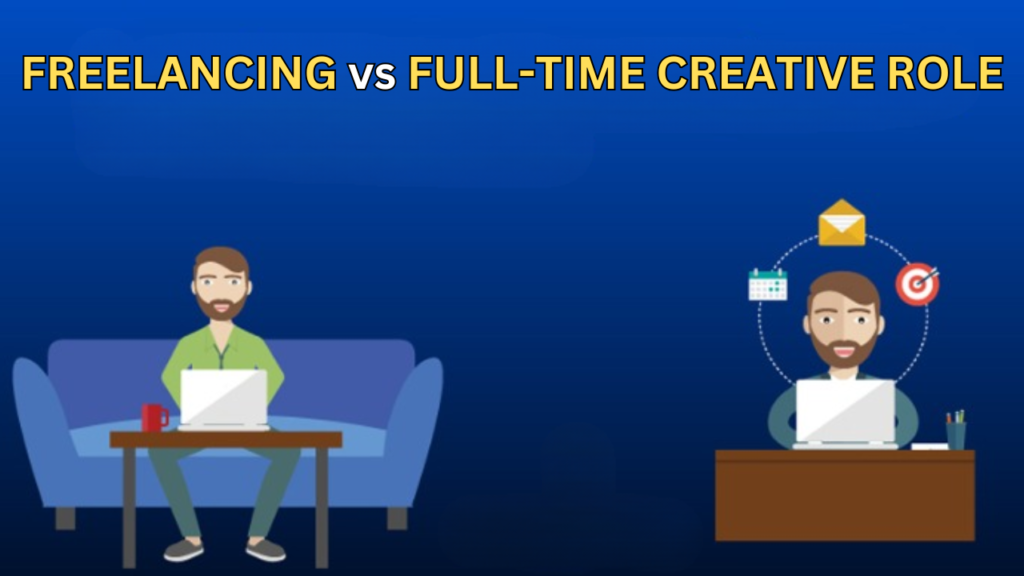
Freelancing vs. Full-time Creative Role:
1. Pros of Freelancing: Flexibility, variety, and independence are all positive factors.
2. Cons: Inconsistent income and job insecurity.
Full-Time Employment:
1. Pros: Stable income, benefits, and a defined structure of work.
2. Cons: Inflexibility in many ways, limitations to creativity.
Pick the one that fits your personality, way of life, and career objectives.
Balancing Creativity and Financial Stability:
Many creatives are concerned with the issue of making a sustainable living. To balance creativity and financial needs:
- Diversify Income Streams: Combine freelancing with teaching and some other odd jobs.
- Plan Your Finances: Keep accurate records of expenses and hold something in reserve for less busy times.
- Price Your Work Reasonably: Be realistic; if you lowball yourself, you get what you pay for.
- Practice Consistency: With time, the continued effort will yield consistent streams of opportunities.
Creative Careers in the Digital Era:
The digital era has completely transformed creative careers. Career opportunities within the fields of digital marketing, e-commerce, and content creation are on a high. Key trends include:
- Remote Working: Online tools have made creative work possible from any location.
- Social Media Influence: Platforms like TikTok and Instagram open up opportunities for creators.
- AI and Technology: Tools like Canva and AI-driven editing software make creating easier.
- Global Reach: The internet enables creatives to find clients anywhere in the world.
It is very important to keep updated with these trends for career growth.
Conclusion:
A creative career can be incredibly fulfilling, offering opportunities to turn your passion into a profession. While challenges like competition and income stability exist, careful planning, consistent effort, and adaptability can help you thrive.
Whether you’re a promising artist, designer, writer, or performer, the key is to stay true to your vision and keep honing your craft. Embrace the journey, and you’ll find your place in the ever-evolving world of creative careers.
FAQs:
1. What is a creative career?
A career that involves imagination and artistic skills, like graphic design, writing, or filmmaking.
2. Do I need formal education for a creative career?
Not always. Portfolios and skills often matter more than degrees.
3. What are the most in-demand creative careers?
Roles like UX/UI design, content creation, and animation are highly sought after.
4. How do I know if a creative career is right for me?
If you love creating, problem-solving, and flexible work, it’s a good fit.
5. Can I earn a stable income in a creative career?
Yes, but success depends on skills, networking, and experience.
6. What tools are essential for creative professionals?
Tools like Adobe Creative Suite, Canva, and Final Cut Pro are common.