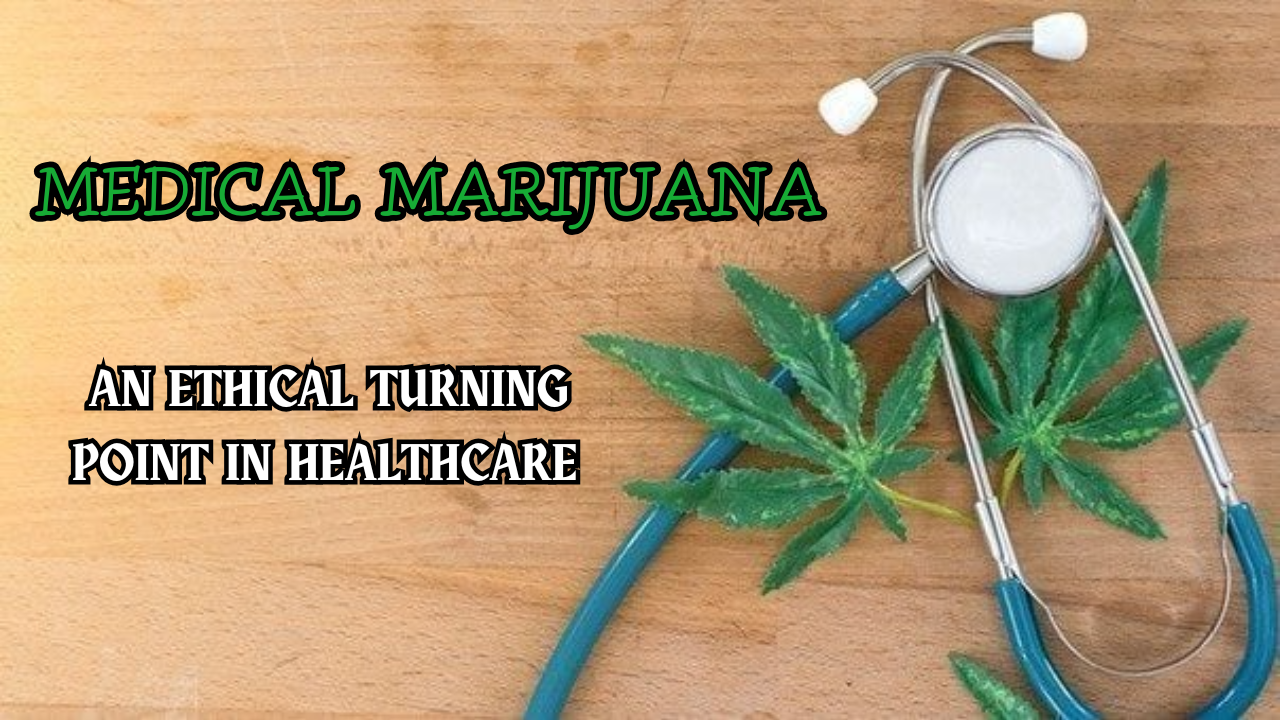
The use of medical marijuana has sparked debates worldwide, raising ethical, medical, and legal questions. As cannabis transitions from being stigmatized to being recognized as a legitimate treatment option, this shift marks a significant turning point in healthcare. This article explores the ethical implications, medical benefits, challenges, and future of medical marijuana, aiming to provide a comprehensive understanding of its role in modern medicine.
What Is Medical Marijuana?
Medical marijuana refers to the use of cannabis or its derivatives in the treatment of a range of medical conditions. Active compounds found in marijuana, specifically THC and CBD, have been discovered to provide symptom relief for chronic pain, epilepsy, and multiple sclerosis.
Main Ingredients of Medical Marijuana:
- THC (Tetrahydrocannabinol): Psychoactive; pain reliever and reduces nausea.
- CBD (Cannabidiol): Non-psychoactive, anti-inflammatory, anti-seizure, and anti-anxiety effects.
Medical Use of Marijuana:
Pain Management:
Chronic pain management. Marijuana has a strong record of effectiveness in medical marijuana in relation to diseases like arthritis, fibromyalgia, and neuropathy.
Neurological Conditions:
Medical cannabis research has revealed effective treatment options for neurological conditions including epilepsy, Parkinson’s disease, and multiple sclerosis.
Psychiatry:
The most abundant substance in marijuana is CBD. Many patients with anxiety, depression, and PTSD receive it for symptoms.
Supporting Cancer Treatment:
Patients on chemotherapy may use medical marijuana to treat nausea, vomiting, and loss of appetite.
Anti-Inflammatory Properties:
Medical marijuana can be used to treat symptoms of inflammatory diseases like Crohn’s disease and ulcerative colitis.
Ethical Issues:
Balancing Risks and Benefits:
Healthcare providers are faced with ethical dilemmas in balancing the therapeutic benefits of medical marijuana against the risks, such as dependency or cognitive impairment.
Accessibility and Affordability:
Who should have access to medical marijuana? Ethical questions arise regarding its affordability and whether insurance should cover it.
Stigma and Social Bias:
Despite growing acceptance, many patients and providers face stigma for using or prescribing medical marijuana. Addressing societal attitudes is crucial for ethical progress.
Legal and Regulatory Challenges:
Varied Legal Status:
Medical marijuana’s legality varies widely across countries and states, complicating its accessibility for patients.
Quality Control:
The potency, purity, and consistency of medical marijuana products are still not regulated.
Impact on the Workplace:
Ethical and legal concerns continue to exist concerning workplace policies and drug testing of medical marijuana users.
Future Directions in Medical Marijuana:
Research and Development:
More money and research will give medical marijuana full access to safety measures.
Incorporation into Healthcare:
Medical marijuana is integrated into mainstream care. This integration is enhanced by changing policies and education for professionals in the delivery of healthcare.
Technological Advancements:
The development of new delivery mechanisms for cannabis, including vaporizers and transdermal patches, increases the treatment potential of cannabis.
Common Myths About Medical Marijuana:
Myth 1: Medical Marijuana Is a Gateway Drug:
According to scientific research, taking medical marijuana cannot ensure that more harmful drugs follow.
Myth 2: It’s Only for Pain Relief:
Although the big chunk of benefits of medical marijuana stands in providing relief from pain, medical marijuana is used for the treatment of a wide array of conditions that majorly involve mental health and neurological disorders.
Myth 3: All Marijuana Is the Same:
Medical marijuana is grown and processed differently than recreational cannabis to meet medical-grade standards.
Conclusion:
Medical marijuana represents a transformative shift in healthcare, offering hope to millions of patients. However, its adoption comes with ethical, legal, and social challenges. By fostering research, addressing stigma, and crafting thoughtful regulations, society can harness the full potential of medical marijuana as a therapeutic tool while ensuring its responsible use.
As the ethical and medical debates continue, one thing remains clear, medical marijuana is no longer just an alternative but a pivotal element in the future of healthcare.
FAQs:
1. What conditions can medical marijuana treat?
Medical marijuana is used for chronic pain, epilepsy, anxiety, PTSD, and cancer-related symptoms, among other conditions.
2. Is medical marijuana addictive?
While dependency is possible, the risk is lower compared to opioids or other prescription medications.
3. Can I use medical marijuana if it’s illegal in my state?
You must follow local laws. In areas where it’s illegal, alternative treatments should be considered.
4. How is medical marijuana administered?
It can be taken as oils, tinctures, capsules, edibles, or via inhalation.
5. Does insurance cover medical marijuana?
Most insurance plans do not cover medical marijuana due to its classification as a Schedule I substance in some regions.
6. Are there side effects of medical marijuana?
Common side effects include dizziness, dry mouth, and altered cognitive function, which vary depending on dosage and individual tolerance.